Hot Dog Pueblo CO Favorites for Kids and Adults
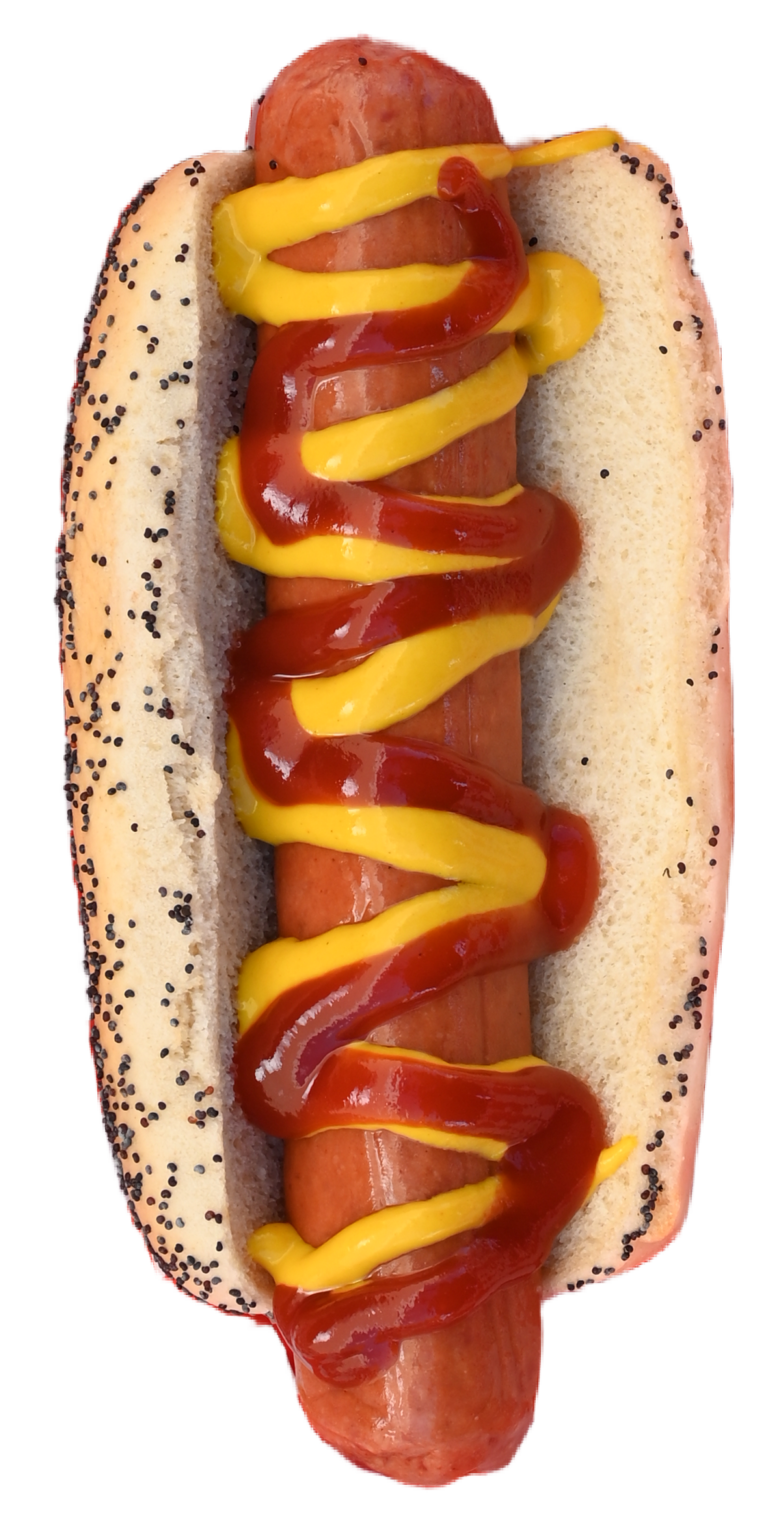
Pueblo has a food identity that is stronger than many cities several times its size. People here care about flavor, value, and a meal that feels like it belongs to the place. That is exactly why the humble hot dog works so well in this part of Colorado. A good dog can be quick without feeling forgettable, familiar without being boring, and inexpensive without tasting cheap. When it is done right, it also becomes the perfect canvas for one of Pueblo’s great strengths, bold toppings with real personality.
Anyone searching for the best hot dog Pueblo CO options usually wants more than a plain dog in a paper tray. Families want places where kids can eat happily without a fight. Adults want enough variety to keep the meal interesting, whether that means a snappy all-beef dog, a smoky grilled sausage, or something loaded with chile, onions, mustard, and cheese. The best spots understand both groups. They know that one table might order a basic dog with fries and a lemonade for a six-year-old, while the adults next to them want a messier, hotter, more layered version with enough spice to demand extra napkins.
That split, simple for kids and more adventurous for grown-ups, is what makes hot dogs such a reliable crowd-pleaser in Pueblo. They bend to the moment. They work after a little league game, during a downtown lunch break, before a high school football game, or as an easy dinner when nobody wants to negotiate over the menu for half an hour.
Why hot dogs fit Pueblo so well
Pueblo has always had an affection for straightforward food that still carries regional character. You see it in the city’s love of green chile, in the respect given to family-run kitchens, and in the way people talk about favorite meals with real conviction. Hot dogs slide naturally into that culture because they are approachable, but they also invite customization.
A plain hot dog can be exactly what a picky eater wants. Add grilled onions, Pueblo chile, or a sharper mustard, and the same dish suddenly appeals to an adult who wants more depth. That range matters in real life. Families rarely dine in neat categories. Usually there is one child who only wants ketchup, one who wants the bun separate, and one adult who says they are not that hungry, then ends up stealing half the fries. A good hot dog place handles all of that without making it feel like a hassle.
There is also a practical reason this food stays popular. Hot dogs are one of the few meals that can still feel affordable for a whole family. Prices vary depending on the style and ingredients, but compared with burgers, barbecue platters, or sit-down entrees, the total bill usually lands lower. For parents balancing school activities, grocery costs, and weekend plans, that matters.
What kids usually love about a great hot dog spot
Children tend to be very clear about what they want from a meal, even when they do not explain it politely. They want food that tastes predictable, arrives fast, and does not require too much assembly. Hot dogs meet all three conditions. The shape is easy to manage, the flavor is familiar, and a decent kids’ portion does not overwhelm them.
Still, not every hot dog works equally well for younger diners. Texture matters more than adults sometimes realize. A dog with too much snap can put off a smaller child, while one that is too soft can seem bland. Bun quality matters too. If the bread falls apart after one bite, lunch becomes cleanup duty. The best family-friendly places in Pueblo tend to get these small things right. They toast or warm the bun just enough, serve a dog that fits it properly, and avoid drowning a kids’ order in condiments the child never asked for.
Parents also notice side options. A place that offers fries, fruit, chips, or a simple drink lineup is often easier than somewhere that only leans into oversized specialty dogs. Kids do not need twelve topping choices. They need one or two combinations that work every time.
Here are the features that usually separate a truly family-friendly hot dog stop from one that only looks fun from the outside:
- A mild, familiar dog option with simple condiments
- Fast service, especially at lunch or early dinner
- Seating that works for strollers, booster seats, or restless kids
- Sides that are easy to share
- Staff who do not act annoyed by customization
Those points sound basic, but they shape the whole experience. When a parent says a place is good for kids, they often mean the meal arrived before anyone melted down, the order came out right, and there was enough flexibility to keep the peace.
What adults want, and why toppings matter more here
Adults tend to judge hot dogs more critically than they admit. A child may be delighted as long as the ketchup lands where it should. An adult notices the quality of the meat, whether the casing has any bite, whether the bun was steamed or toasted, whether the onions taste fresh or tired, and whether the whole thing feels balanced rather than overloaded.
In Pueblo, toppings can become the deciding factor. This is a city where green chile is not a gimmick. It is part of the local food vocabulary. Put a hot dog under a spoonful of flavorful chile and the dish stops being generic. It gains a local accent. The heat level, the thickness of the sauce, and whether the chile complements the dog instead of overwhelming it all make a difference.
Adults also tend to appreciate contrast. A little sharp mustard against a rich sausage. Raw onions for crunch next to melted cheese. Pickled elements to cut through a heavy chili dog. Good hot dog menus respect that interplay. They do not just pile on toppings for visual effect. They build combinations that eat well from first bite to last.
This is often where the best hot dog Pueblo CO experience separates itself from a forgettable one. You want flavor with intention. If a menu includes regional ingredients, they should taste like they belong there, not like they were added because the word “local” sounds good on a sign.
The Pueblo angle, green chile and regional identity
Any serious conversation about casual food in Pueblo has to mention chile. Not every hot dog place uses it, and not every customer wants it, but it remains one of the clearest ways a simple meal can reflect the city’s broader food culture.
A chile-topped hot dog can go wrong in several ways. If the chile is too thin, it soaks the bun and leaves you holding a soggy mess by the third bite. If it is too salty or too aggressive, it buries the flavor of the dog itself. And if the heat is all sting and no depth, the whole thing feels one-note. The sweet spot is a chile with body, warmth, and enough savoriness to turn a standard dog into something worth driving across town for.
That local touch also appeals to visitors. Someone passing through Pueblo may not know every neighborhood or every long-running family spot, but they usually want to eat something that feels connected to the city. A hot dog topped with chile, onions, and cheese does that job surprisingly well. It is casual, regional, and easy to enjoy without ceremony.
For locals, the appeal is different. Familiar flavors carry memory. School nights, county fair runs, youth sports, quick lunches between errands, and summer evenings all seem to have room for a hot dog with a Pueblo spin. Food does not need to be expensive to feel meaningful.
Choosing between a classic dog and a loaded specialty dog
One of the easiest mistakes people make is assuming bigger always means better. Specialty hot dogs can be excellent, but only when the toppings serve the base rather than covering for it. If the dog itself lacks flavor, no amount of cheese sauce, bacon, fried onions, or chili will save it.
A classic dog is often the best test of a place. Order one with mustard and onions, maybe relish if that is your style, and you learn a lot. Is the bun fresh? Does the sausage have flavor on its own? Was it cooked with care? Does the ratio work? A strong classic usually means the kitchen respects the fundamentals.
Loaded specialty dogs have their own place, especially for adults who want a meal with more drama. The best versions keep a clear center of gravity. If the menu promises heat, smoke, crunch, and creaminess all in one bite, the balance has to be there. Otherwise you get a tray of ingredients that fight each other.
For families, a smart move is to split the order. Let the kids stick with simpler builds while the adults try one or two specialty dogs for the table. That approach reduces waste, keeps everyone happier, and gives you a better sense of what the place actually does well.
The side dishes that quietly make or break the meal
People talk about hot dogs as if the main item carries the whole experience. That is not wrong, but sides often determine whether the meal feels satisfying or forgettable. Fries are the obvious companion, yet even there the details matter. Crisp fries can rescue an average lunch. Limp fries make the entire tray look tired.
Chips work for speed and convenience, especially if you are eating on the go or wrangling younger kids. Onion rings can be a strong pick for adults who want a little more texture and richness. Some places offer slaw, baked beans, or simple desserts, and those can be worthwhile, especially if the hot dogs themselves are on the lighter side.
Drinks matter more than they get credit for as well. A spicy chile dog asks for something cold and uncomplicated. For kids, that might mean lemonade or a fountain drink. For adults, iced tea or a basic soda often does the job better than anything fancy. Hot dogs are comfort food. They do not need a beverage program with opinions.
When to go, especially with children
Timing changes the experience at almost any casual restaurant, and hot dog spots are no exception. If you have young children, the difference between arriving at 11:30 and 12:15 can feel enormous. Lines grow fast, tables fill up, and patience shrinks in a direct relationship to hunger. Early lunch or an early dinner is usually the better play for families.
Adults without kids can afford to be more flexible, but even then, a crowded room affects food quality. During a heavy rush, buns get rushed, toppings get sloppy, and that carefully balanced specialty dog can turn into a practical joke. The best places hold up under pressure, but no kitchen is immune to volume.
Outdoor seating, if available, often makes family meals easier. Children can move a little, spills feel less catastrophic, and adults can relax enough to enjoy their own order. Pueblo’s warmer months are especially suited to this kind of casual meal. A hot dog and cold drink outside can feel exactly right after a game or weekend event.
How to order for both kids and adults without overcomplicating it
A little strategy helps when you are feeding a mixed group. Most families do best by treating hot dogs as flexible rather than personal statements. Order one or two plain dogs for the cautious eaters, then build outward. Let adults try the regional or spicy options. Split sides generously. If a place serves larger specialty dogs, consider sharing rather than assuming each adult needs a full one plus fries.
This approach keeps the meal practical and cuts down on the all-too-common problem of over-ordering. Hot dogs seem small, but rich toppings and sides add up quickly. I have seen plenty of parents order a loaded dog for a child who ends up eating three fries and half a bun. Better to start simpler and add snacks later if needed.
A balanced family order often looks something like this:
- Plain or lightly dressed dogs for younger kids
- One classic dog for the adult who values the basics
- One regional or chile-forward dog for the table to sample
- Shared fries or rings instead of individual sides for everyone
- Extra napkins, which are never optional with a serious hot dog
That kind of order gives everybody a win. It also lets you judge the kitchen on multiple levels, from basics to more ambitious combinations.
What makes a hot dog place worth returning to
People rarely return for novelty alone. They come back because a place feels dependable. In the hot dog category, dependability means the food tastes the same on the second and fifth visit as it did on the first. It means the staff can handle a special request without visible irritation. It means the chile still tastes like chile, not like a diluted batch made to stretch through a busy afternoon.
Cleanliness counts too, especially in casual spots where condiments, drinks, and toppings create a lot of visual clutter. A tidy dining area signals a kitchen that probably pays attention to details. So does the condition of the condiment station, if there is one. Sticky bottles and empty napkin holders do not ruin the food, but they do tell you something about how the operation runs.
Portion value is another quiet factor. A hot dog meal does not need to be massive, but it should feel fair. Adults notice when a premium price does not bring premium quality. Parents notice when a kids’ meal seems built for optics rather than appetite. The best places meet somewhere in the middle. They serve enough food to satisfy, but not so much that the tray looks like a dare.
The nostalgia factor is real, but taste still has to carry the day
Hot dogs come with a built-in emotional advantage. For many people, they are tied to ballparks, family outings, birthday parties, or summer evenings. That nostalgia is powerful, and restaurants know it. But memory alone does not build loyalty. A place may attract people once on sentiment. It keeps them only if the food holds up.
That is especially true in a city like Pueblo, where diners tend to be direct. If something is good, word travels. If it is overpriced, sloppy, or coasting on a theme, word travels faster. Hot dog fans are often more discerning than outsiders expect. They know the difference between a dog that was heated and a dog that was prepared.
For children, nostalgia forms in real time. The place with the quick tray, the friendly cashier, and the reliable fries becomes the place they ask for after school events. For adults, the attachment is more layered. It includes value, quality, and the pleasure of finding a casual meal that does not ask much from you besides an appetite.
Finding your own hot dog favorite in Pueblo
The best way to find your go-to hot dog Pueblo CO spot is not to chase the most extreme item on the menu first. Start with the fundamentals. Try a classic dog, pay attention to the bun, the snap, the toppings, and the sides. Then come back for the chile version, the grilled sausage, or whatever specialty item seems most rooted in the place itself.
That slower approach tells you more than a one-time indulgence ever could. It helps you separate restaurants that are genuinely thoughtful from those that rely on excess. And in a city with a strong food culture, that distinction matters.
Pueblo does not need hot dogs to be trendy. It needs them to be satisfying, flavorful, and flexible enough to please a family with different appetites at the same table. The favorites, whether for kids or adults, usually deliver exactly that. hot dog Pueblo CO underconstructionhotdogs.com They keep the basics strong, give the grown-ups something interesting, and leave everyone full without turning a simple meal into a production.
That is the charm of the category here. A hot dog can still be just a hot dog if you want it to be. In Pueblo, it can also be a little more than that, a quick meal with local character, practical value, and enough personality to earn a repeat visit.
Under Construction Hot Dogs
Address: 1225 W U.S. Hwy 50, Pueblo, CO 81008
FAQ About Hot Dog Pueblo CO
Why is it called a hot dog?
A hot dog gets its name from a 19th-century joke comparing long, thin sausages to dachshund dogs and mocking their cheap meat content.
Is hotdog non-veg?
Yes, traditional hot dogs are non-vegetarian because they are made from meat trimmings like pork, beef, chicken, or turkey.
What exactly is in a hot dog?
Hot dogs are cooked and smoked sausages made from finely ground, emulsified meat trimmings mixed with water, fat, spices, and preservatives.